

18/12/25
According to a recent WHO report (2024), drowning is a major cause of death worldwide. In sub-Saharan Africa in particular, aquatic accidents and drowning are common in coastal communities that rely on the sea or freshwater sources for their income and daily livelihoods. However, local knowledge on aquatic safety and first aid techniques related to aquatic hazards is limited. To address this need, the International Cooperation Department of Belgian Red Cross-Flanders is currently developing an evidence-based guideline on First Aid and Safety for Aquatic Environments (FASAE).
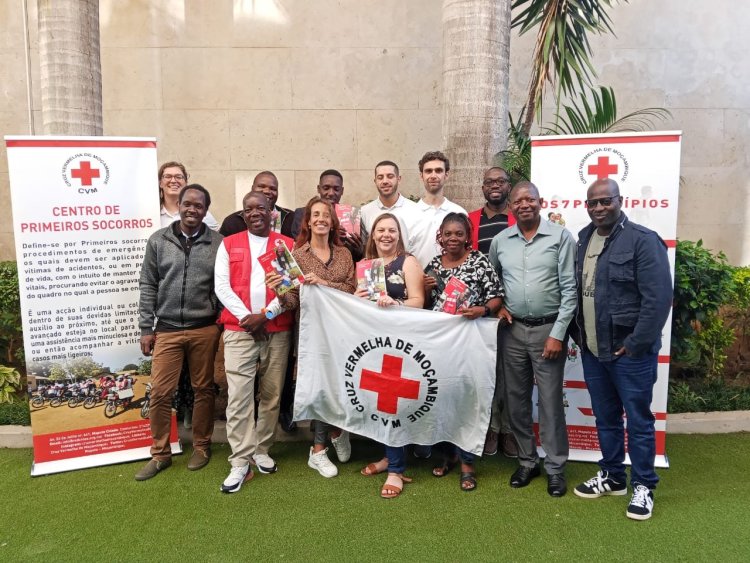
On 13 and 14 November 2025, CEBaP, the Department of International Cooperation, and the Mozambican Red Cross (CVM) hosted a meeting in Maputo, Mozambique, as part of this process. Over two days, a panel of sub-Saharan African drowning experts from academia, Red Cross Red Crescent societies, and other bodies active in aquatic safety, discussed the draft FASAE manual.
The questions, remarks, and suggestions submitted by the experts in a pre-meeting survey were evaluated until consensus was reached on the various first aid and aquatic safety recommendations in the manual. CEBaP researcher Hans Scheers opened the meeting with a short introduction to the evidence-based process of guideline development and provided information on the evidence base of each recommendation throughout the meeting when warranted. He also ensured that all additions, omissions, and changes suggested by the experts remained consistent with the principles of evidence-based practice.
The guideline is currently being revised based on the expert panel’s feedback and will go into print early next year. Training materials are being developed in parallel to support African Red Cross Red Crescent Societies in drowning prevention and aquatic safety through a Train the Trainer programme. Starting next year, FASAE training modules will be rolled out in rural fishing communities, first in Mozambique and later throughout sub-Saharan Africa, to increase aquatic safety skills and awareness. A better understanding of first aid and aquatic safety should subsequently lead to a reduction in drownings and other water-related accidents.
