

12/01/26
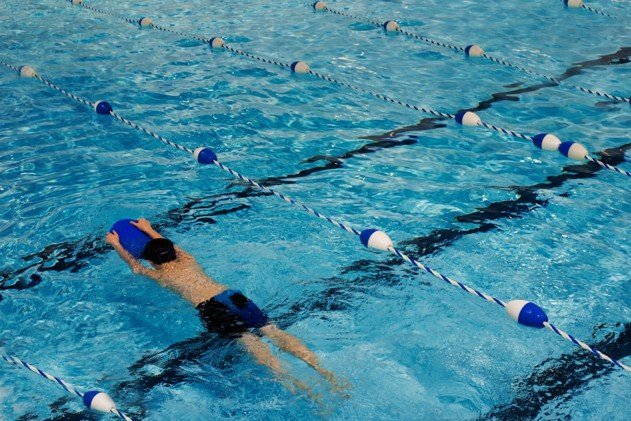
Drowning remains one of the leading causes of death from unintentional injury, with children in low- and middle-income countries being most affected. In 2019, we collaborated with the World Health Organization on a systematic review assessing the impact of basic swimming and water safety skills training for children on drowning-related mortality and water safety skills, knowledge and behaviour. This review informed the WHO Guideline on the prevention of drowning through the provision of daycare and basic swimming and water safety skills. To ensure that policy and practice reflect the most recent evidence, we recently updated this systematic review.
We searched five databases and two trial registers for studies evaluating swimming or water safety training in children under the age of 18 years. The update added 12 new studies to the original 21, resulting in a total of 33 included studies. Of these, 18 focused on basic swimming skills (in-water), six investigated isolated water safety training (out-of-water), five examined water safety training as part of a broad injury prevention programme, and four looked into combined swimming and water safety training.
Our findings confirm the conclusions of the WHO Guideline:
In addition, the update highlights new insights for the design of basic swim training programmes:
However, our review also highlights some research gaps:
Our review can offer evidence-based guidance for diverse stakeholders, including parents, swimming instructors, educators and policy makers, to design effective swimming and water safety programmes and supports global efforts to reduce the burden of drowning.
Read the published full review in Frontiers in Public Health here.
