

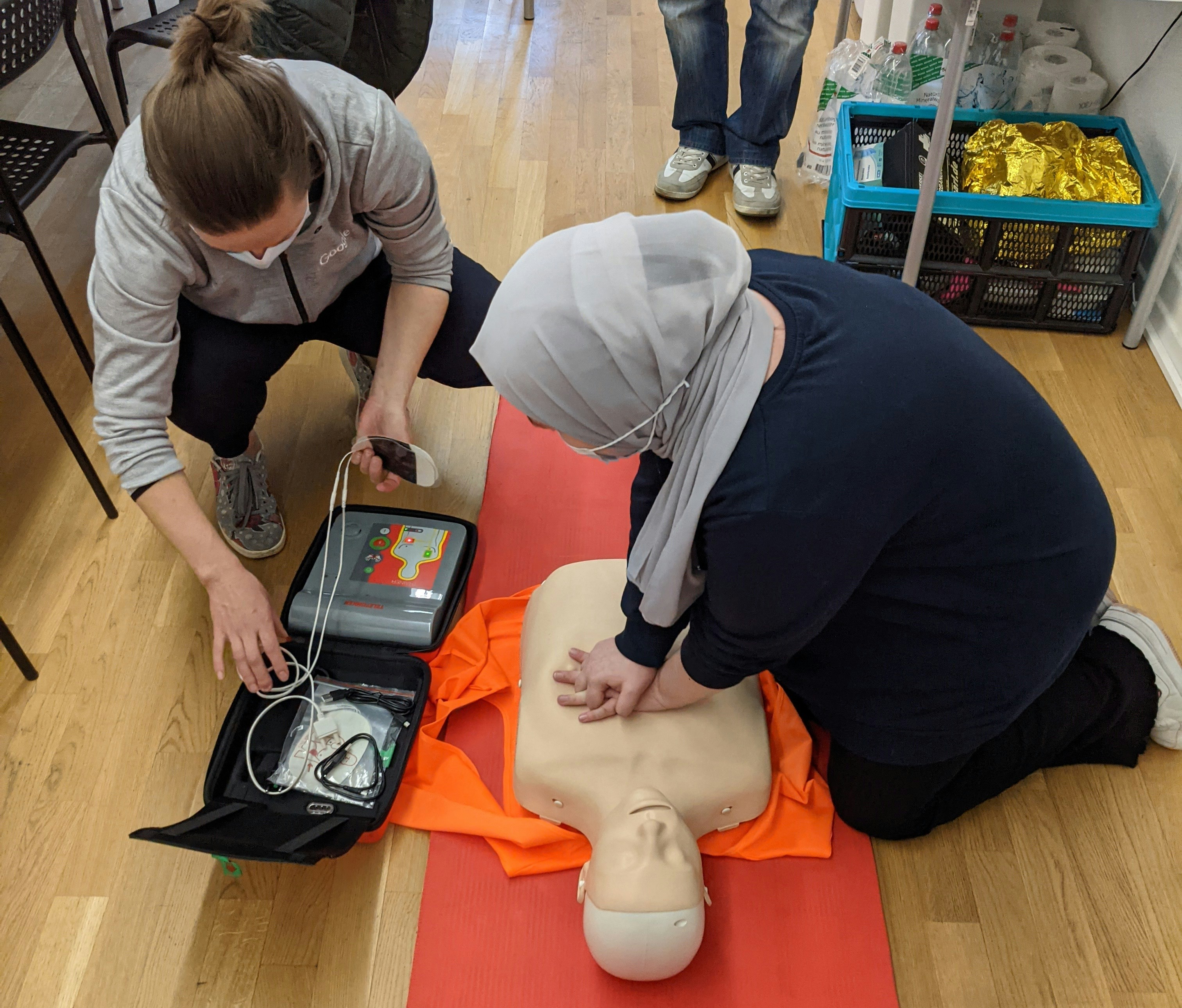
 We published a Cochrane systematic review in which we assessed whether physical first aid training in laypeople (i.e. individuals without formal healthcare education) improves real-life health outcomes of people receiving first aid, the quality of first aid provided and the helping behaviour of trained people, as well as first aid-related learning outcomes (i.e. knowledge, skills, self-efficacy, and willingness to help).
We included 36 (cluster-)randomised controlled trials with data from 15,657 participants. All studies compared physical first aid training to either no training or a different type of training. Studies varied considerably in terms of the intervention (content, didactic approach, duration, type of instructor etc.) and outcomes assessed. Only 2 studies were conducted in a low- or lower-middle-income country.
We found evidence showing that first aid training probably improves knowledge, skills, and self-reported belief in one’s ability to provide first aid in the short term (within one month after training). Also, training may lead to sustained improvements in first aid knowledge and skills in the long term (from three months after training onwards). Evidence on self-reported willingness to help remains uncertain. In addition, with the exception of one study showing uncertain results on the helping behaviour of trained participants in real-life emergencies, no other studies reported on actual health(care) outcomes.
Our review supports the effectiveness of first aid education. However, it also highlights the need for standardised outcome measurements for first aid competencies, research on real-life health(care) outcomes, potential adverse and long-term training effects, and evidence stemming from studies conducted in low- and middle-income countries. Our review findings have been broadly disseminated in collaboration with Cochrane First Aid in a blogshot, a textual infographic, a cartoon infographic, and a case study.
According to the 2024 WHO global status report on drowning prevention, drowning remains a major cause of accidental death worldwide, particularly among children in low- and middle-income countries. To actively contribute to drowning prevention in sub-Saharan Africa, Belgian Red Cross-Flanders initiated the “First Aid and Safety for Aquatic Environments” (FASAE) project.
FASAE is a collaboration between the International Cooperation Department of Belgian Red Cross-Flanders, the Mozambican Red Cross (CVM) and CEBaP, aimed at developing an evidence-based guidance manual and training programme to support Sub-Saharan African fishing communities in preventing and responding to water-related incidents.
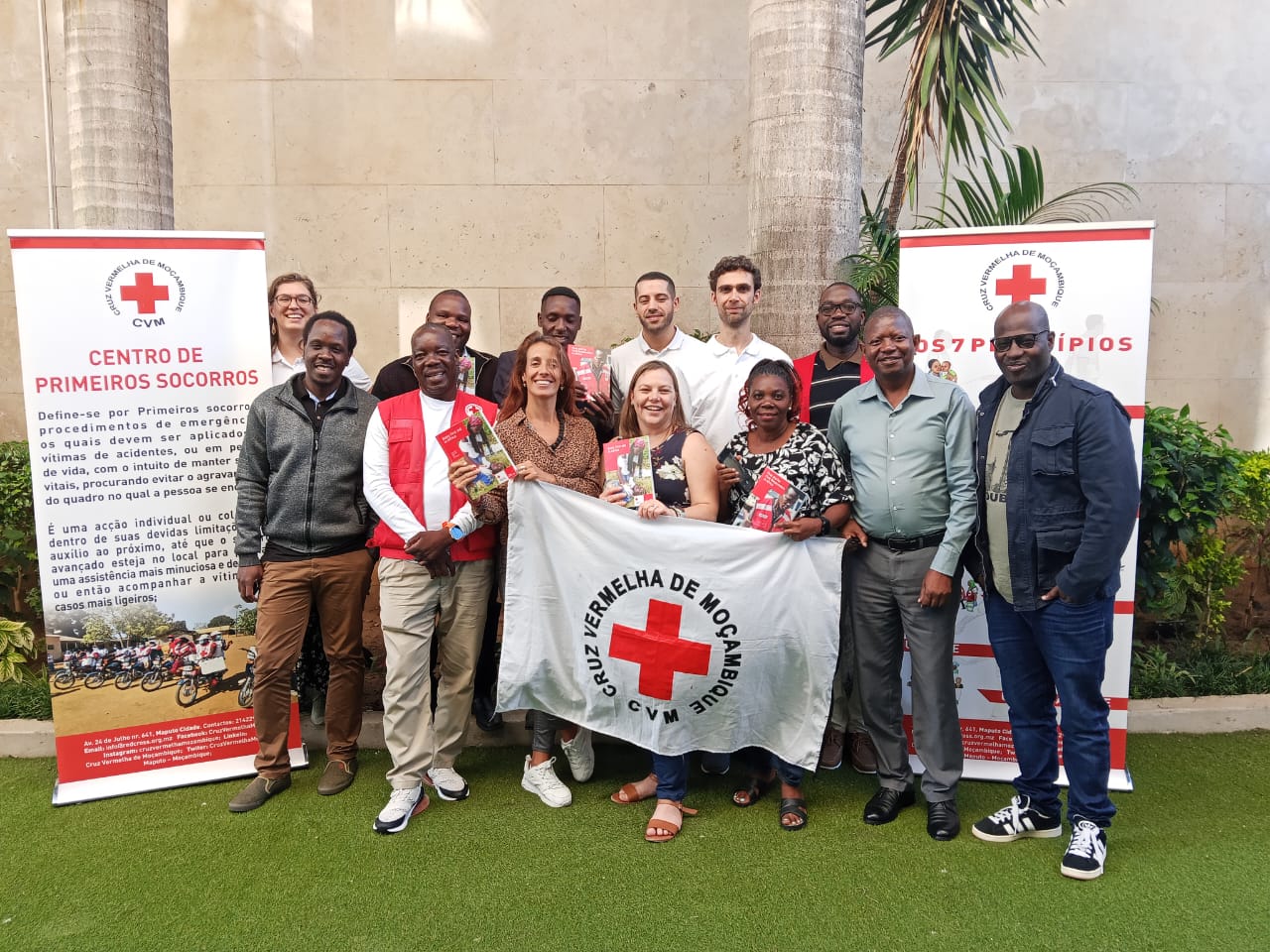 After conducting local surveys in Mozambican fishing villages at the end of 2024 to identify local needs regarding prevention and first aid for aquatic incidents, the project continued in 2025. CEBaP performed evidence reviews to address research questions arising from the needs assessment, leading to a total of 57 new or updated evidence summaries. Based on the evidence, a draft manual was developed and discussed during an expert panel meeting in Maputo, Mozambique. In the near future, the manual will be freely available via the Belgian Red Cross-Flanders website. FASAE training modules for laypeople will be rolled out later this year in rural fishing communities, first in Mozambique and later throughout sub-Saharan Africa.
 We updated our systematic review on the effectiveness of basic swimming and water safety skills as a drowning prevention strategy in children under 18 years of age.
In 2019, we partnered with the World Health Organization (WHO) to conduct a systematic review on the effectiveness of basic swimming and water safety skills as a drowning prevention strategy in children under 18 years of age. This review informed the development of the WHO Guideline on the prevention of drowning through the provision of daycare and basic swimming and water safety skills. To ensure that our evidence base reflects the latest research, in 2025, we updated the 2019 systematic review.
The update added 12 new studies to the original 21, bringing the total number of included studies to 33. The conclusions of the WHO Guideline remain valid: training children in swimming skills and water safety may reduce the number of deaths from drowning, swim training may improve aquatic skills, and water safety training improves knowledge and safe behaviour in and around water. In addition, new findings indicate that (1) goggles and snorkels may aid children in acquiring aquatic competences but may also hinder the acquisition of skills that require under-water expiration, (2) children over the age of 6 may benefit from video feedback, and (3) training in shallow water is recommended in preschool children. Despite new conclusions, evidence on drowning-related mortality remains limited and few studies focus on low-resource settings.
Our review was published in Frontiers in Public Health and offers valuable guidance for parents, educators, instructors, and policymakers to develop effective programmes and strengthen global efforts to prevent drowning.
Throughout 2024 and 2025, we updated and expanded our first aid evidence summaries. All 306 up-to-date evidence summaries are freely accessible following registration to our First Aid Evidence Summary Database. These summaries were developed without applying any geographical restrictions and are therefore relevant for first aid education and policy worldwide.
The evidence summaries inform the 2026 Belgian Red Cross-Flanders’ first aid guidelines for laypeople [in Dutch: Help! Eerste hulp voor iedereen] and the 2026 update of the International First Aid, Resuscitation, and Education guidelines of the International Federation of Red Cross and Red Crescent Societies (IFRC). In addition to delivering most of the evidence to support the IFRC recommendations, CEBaP also took part in the Steering Committee for the development of these guidelines and monitored the methodological quality of the guidelines. The guidelines will soon be available on the IFRC Global First Aid Reference Centre website.
 In October 2025, the updated guidelines of the European Resuscitation Council (ERC) were published. CEBaP is proud to have co-authored the First Aid chapter of the ERC Guidelines 2025. These evidence-based guidelines are informed by the systematic reviews, scoping reviews, and evidence updates done by the International Liaison Committee on Resuscitation (ILCOR). As a member of both the ILCOR First Aid Task Force and the ERC First Aid Writing Group, CEBaP was able to actively contribute to both synthesizing the available evidence and ensuring implementation in practice.
 We evaluated the efficacy of a 12-hour training on first aid for mental health problems organized by Belgian Red Cross-Flanders. These training sessions are designed to empower laypeople to support people in their environment who are experiencing mental health difficulties. The training complements a practical manual called Listen! First aid for mental health problems [in Dutch: Luister! Eerste hulp bij psychische problemen] and is based on an evidence-based guideline that we developed in 2019 and updated in 2024.
Among 180 participants, we assessed outcomes before, immediately after, and three and six months after training. The results show clear improvements in knowledge, awareness, attitudes, self-care, willingness to help (based on a case scenario), and self-reported helping behaviour immediately after the course. Most gains were maintained at three and six months, although knowledge declined slightly after six months. Willingness to help was no longer significantly different from baseline at six months. Participants with prior relevant training started with higher baseline scores for awareness and helping behaviour. Overall, pre-training scores were already quite high, suggesting that attendees may have been more informed and aware of mental health issues than the general population. Despite some limitations, such as potential social desirability bias and missing data at follow-up timepoints, the findings confirm that training on first aid for mental health problems effectively and sustainably improves mental health support skills in laypeople.
In 2015 and 2022, CEBaP conducted systematic reviews to assess the safety of blood donation by men who have sex with men (MSM). These reviews indicated that the evidence supporting the safety of shortening or removing deferrals for this population was limited. However, in recent years, many of our neighbouring countries have relaxed their deferral criteria for MSM. Those policy changes were often informed by modelling studies assessing the safety of removing deferrals in hypothetical situations, since it is difficult to study these interventions in an experimental setting due to ethical concerns.
We conducted a systematic review of modelling studies assessing the removal or easing of deferral policies for MSM on blood safety. We found 14 models that assessed the residual risk of HIV in five Western countries (France, United Kingdom, USA, Canada, and Israel). The models show that relaxing these rules leads to a very small increase in the risk of HIV being transmitted through blood transfusion. Although the relative risk (the percentage increase) can sometimes increase three-fold, the actual number of additional HIV-positive blood units remains extremely low: less than 1 additional HIV-infected unit per million donations. In all the situations modelled, the overall risk therefore remained very low. In addition, relaxing the rules could lead to a small increase in the number of donors, ranging from 0.04% to 2.1%.
None of the models found took into account other infections that can be spread through blood transfusions, such as syphilis or hepatitis C.
In summary: Relaxing the MSM donor rules increases the risk of HIV, but in absolute terms that risk remains very low. The differences between the various policy options are small. For future policy, it is important that models also take other infections into account, not just HIV.
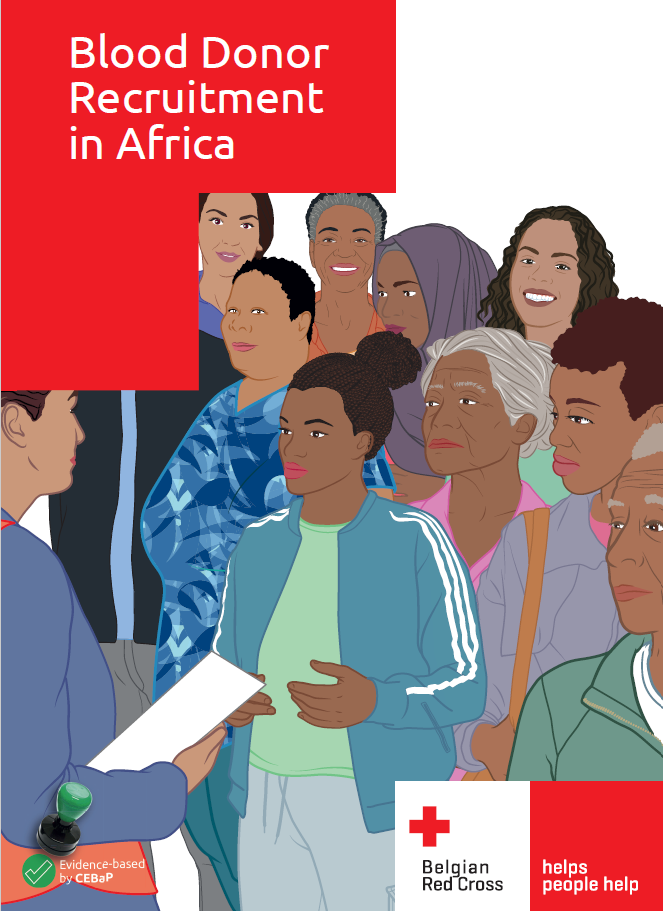 In 2023, we started developing an evidence-based Blood Donor Recruitment guideline to support African Red Cross and Crescent Societies and blood services in increasing the number of voluntary non-remunerated blood donations. At that time, CEBaP collected and summarized the scientific evidence for 14 research questions that were developed in close collaboration with a panel of 11 African experts. During a face-to-face panel meeting in 2024, this scientific foundation was further enriched with the experts’ insights to ensure that the manual reflected both scientific knowledge and practical field experience.
In 2025, the accompanying manual was released as a freely available comprehensive resource for blood donor recruiters in Africa. It provides detailed guidance on the donation process, safety protocols, and effective strategies for recruiting and retaining donors.
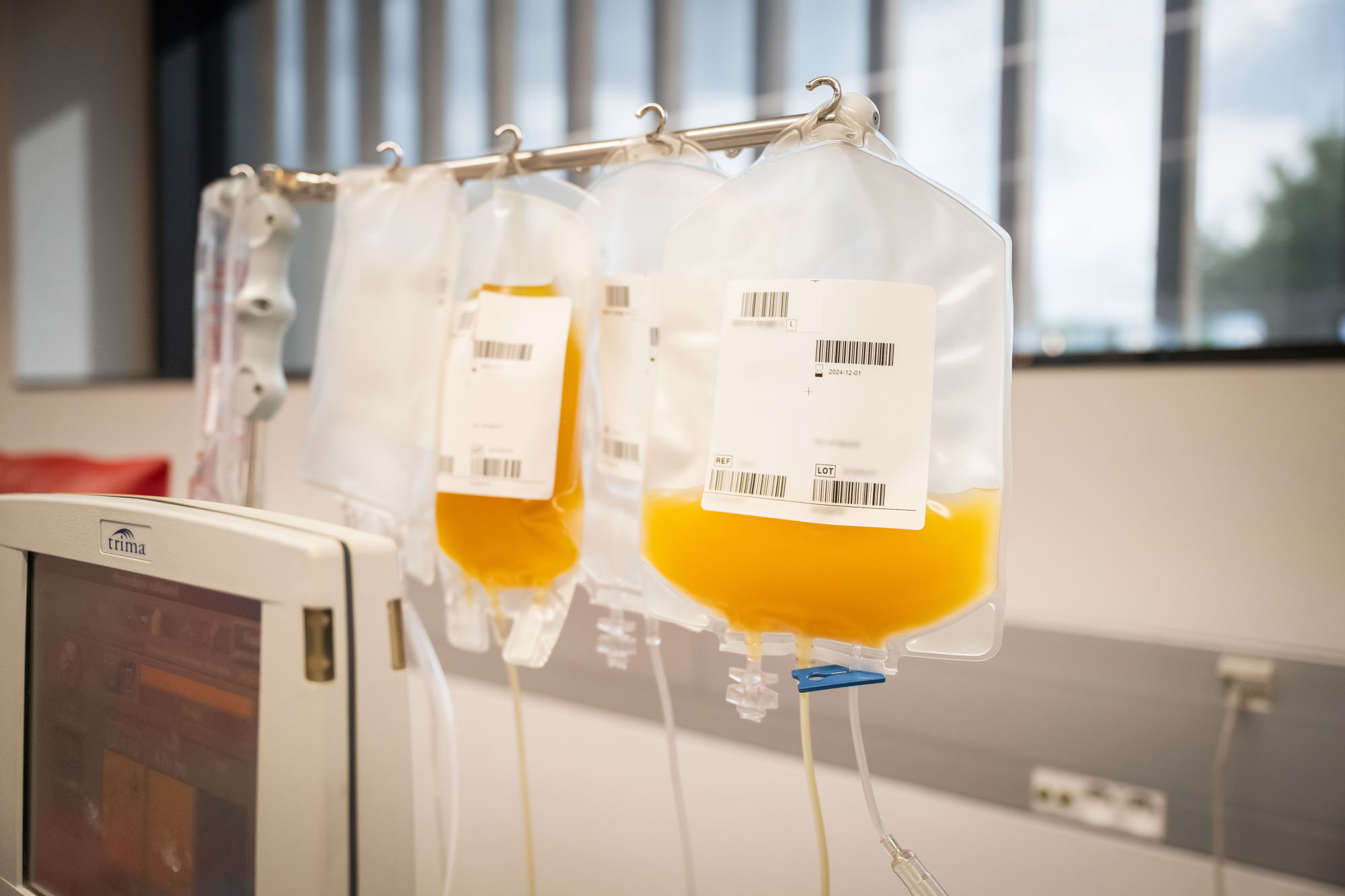 Belgian Red Cross-Flanders is responsible for collecting, processing and distributing platelet products in Flanders. Platelets transfusions are widely used in several clinical areas (e.g. haematology, oncology, internal medicine) to prevent or treat bleeding. Despite their limited availability and a considerable risk of serious adverse reactions, audits have shown that platelets are regularly transfused outside of clinical practice recommendations. To support evidence-informed decision-making in platelet transfusion practice, we conducted a systematic review of clinical practice guidelines (CPG) on platelet transfusion in non-surgical, non-traumatic care settings, and appraised their methodological quality.
We identified 30 CPGs, published between January 2015 and June 2025, including a total of 89 practice recommendations on prophylactic and/or therapeutic platelet transfusion in diverse clinical populations (e.g. bone marrow failure, immune thrombocytopenia, platelet function disorders). All 89 recommendations were summarized in interactive evidence maps, where they were visualized in relation to the target clinical population and age group, their clinical focus, strength, and the methodological quality of the CPG development process, assessed using the AGREE II Rigour of Development domain. These evidence maps can provide clinicians with an accessible overview of available CPGs on platelet transfusion, and can serve as a key resource to guide evidence-based clinical decision-making. In addition, our review underscores the need for transparent, robust guideline development methodologies.
Our systematic review is currently under consideration for publication in Blood Reviews.
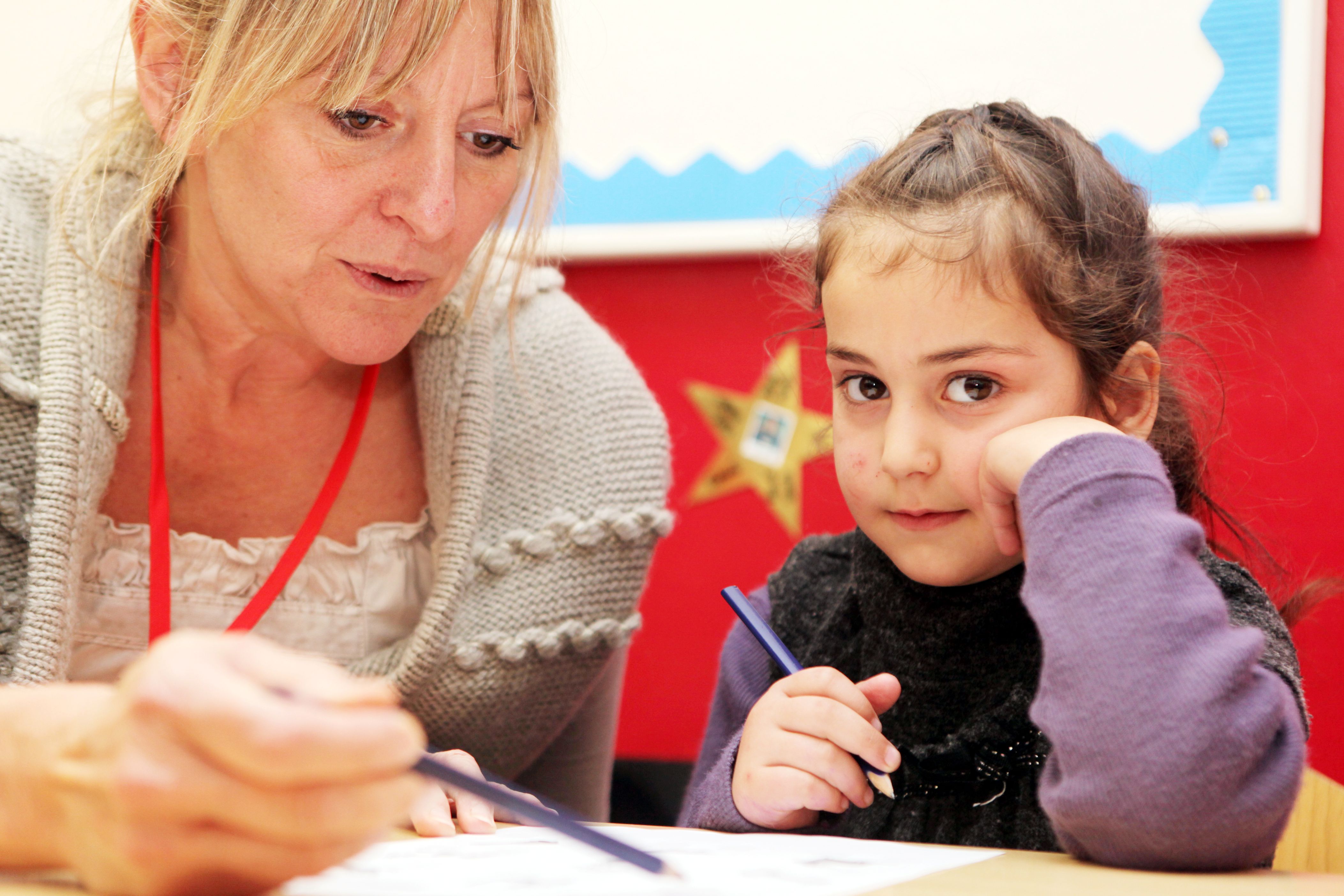 Bridging the Gap is a project of Belgian Red Cross-Flanders that engages volunteers to support socially vulnerable children in strengthening their school performance and personal development. In 2021, we extended the Bridging the Gap project to the metropolitan and multicultural context of Brussels. For this purpose, we updated the scientific evidence base for this project, first established in 2017, and developed an evidence-based guideline for the training of volunteers in Brussels.
To evaluate the effect of the Bridging the Gap volunteers’ activities in Brussels on supported children’s mental wellbeing and school achievement over a single school year, we administered questionnaires to school staff at the start and end of the support period. At the same time, volunteers kept track of the frequency, duration and content of their activities with the supported children. After three school years of data collection (with 2022-2023 serving as a pilot year), we obtained full data sets for 43 children enrolled in nine different schools.
No differences in mental wellbeing and school achievement were observed between the measurements before and after support. In the absence of a control group, it remains unclear whether this should be interpreted as a lack of progress or rather as the prevention of further deterioration. Qualitative satisfaction surveys are still being administered to school staff and volunteers. Overall, the Bridging the Gap project in Brussels has been a success so far, with a steadily growing number of volunteers, participating schools, and supported children.
